Inside Jugla Technologies' 2024 Java Developer Hiring Push: What Candidates Need to Know
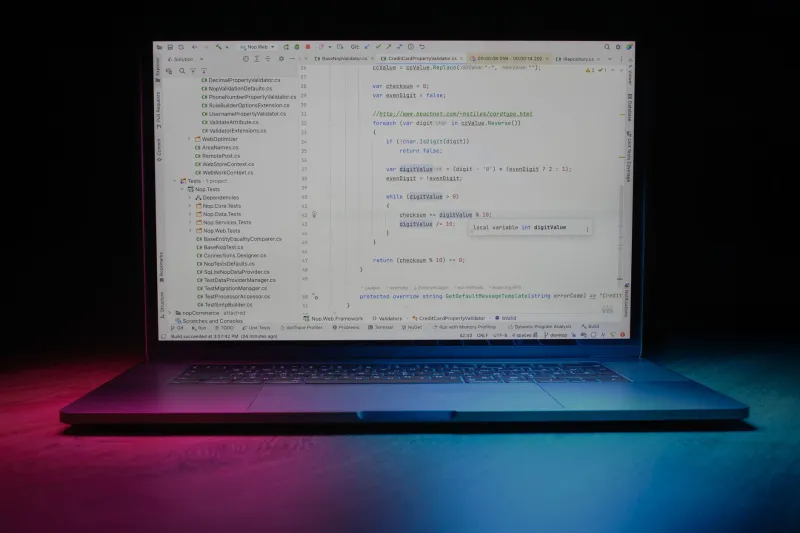
As the Web3 ecosystem continues to mature, established and emerging technology firms alike are accelerating their recruitment of backend engineers capable of bridging traditional software development with decentralized infrastructure. Jugla Technologies has been among the companies actively seeking Java developers in 2024, reflecting a broader industry trend: the demand for engineers who can write robust, enterprise-grade backend code while navigating blockchain environments is growing faster than the talent pipeline can fill it.
If you have been searching for information about Jugla Technologies' recruitment process or open Java developer positions, this guide will help you understand the landscape, prepare your application, and assess whether an opportunity with a Web3-adjacent technology firm aligns with your career goals.
Who Is Jugla Technologies and Why Are They Hiring Java Developers?
Jugla Technologies operates within the technology services and solutions sector, and like many firms in this space, has been expanding its engineering roster to support blockchain-integrated product development. Java remains one of the most widely deployed programming languages in enterprise environments, and its role in building the middleware, APIs, and backend services that support decentralized applications (dApps) and blockchain networks should not be underestimated.
The company's 2024 hiring activity signals an investment in engineering capacity — a pattern consistent with firms that are either building proprietary blockchain infrastructure or integrating Web3 functionality into existing enterprise software stacks. For Java developers, this represents a meaningful point of entry into the Web3 job market without necessarily requiring deep prior experience in smart contract development.
What Java Developers Should Expect in a Web3 Hiring Process
Recruitment for Java developer roles at Web3-adjacent firms in 2024 typically follows a structured process, though it may differ in emphasis from traditional enterprise software hiring. Candidates should be prepared for the following stages:
Initial Screening: Expect a recruiter or HR contact to conduct a brief phone or video call to confirm baseline qualifications — years of Java experience, familiarity with frameworks such as Spring Boot or Hibernate, and any exposure to distributed systems or blockchain protocols.
Technical Assessment: Most firms at this stage administer a coding challenge or take-home assignment. For Java developers targeting Web3 roles, these assessments frequently test proficiency in concurrent programming, RESTful API design, and occasionally integration with blockchain nodes via libraries such as Web3j.
Technical Interview: A panel of senior engineers will probe your understanding of Java internals, system design principles, and your ability to reason about distributed and decentralized architectures. Knowledge of consensus mechanisms, cryptographic hashing, and token standards — while not always mandatory — can distinguish your candidacy meaningfully.
Cultural and Behavioral Interview: Web3 companies often operate in fast-moving, ambiguous environments. Interviewers will assess your comfort with decentralized organizational structures, your communication style, and your capacity to work across time zones if the team is distributed.
How to Position Yourself as a Competitive Java Developer Candidate
The intersection of Java expertise and Web3 knowledge remains relatively uncrowded, which creates genuine opportunity for developers willing to invest in upskilling. Here are several steps that can strengthen your candidacy for roles like those at Jugla Technologies:
Demonstrate Familiarity With Blockchain Fundamentals: You do not need to be a Solidity developer to be attractive to Web3 hiring teams. However, understanding how blockchains work at a structural level — how transactions are validated, how nodes communicate, and how data is stored immutably — will signal that you can contribute meaningfully from day one.
Highlight Relevant Java Projects: If you have built or contributed to microservices, event-driven architectures, or high-throughput APIs, these are directly transferable skills. Emphasize any work involving distributed systems, message queues (Kafka, RabbitMQ), or cloud-native deployments, as these patterns translate naturally into blockchain backend development.
Explore Web3j and Blockchain Integration Libraries: Web3j is the leading Java and Android library for working with Ethereum-compatible networks. Building a small project — even a simple wallet interaction tool or smart contract caller — using Web3j and publishing it to GitHub can serve as concrete evidence of your initiative and technical range.
Tailor Your Resume to the Role: Generic Java developer resumes rarely stand out in Web3 recruitment pipelines. Review the job description carefully and align your experience with the specific responsibilities listed. If the role emphasizes backend API development for a DeFi platform, lead with your API and integration work rather than front-end or UI contributions.
Compensation Benchmarks for Java Developers in Web3 (2024)
Understanding the compensation landscape will help you evaluate any offer you receive. In the United States, Java developers working in blockchain or Web3 environments typically command salaries ranging from $120,000 to $180,000 annually, depending on seniority, location, and the specific technical demands of the role. Senior engineers with demonstrable blockchain integration experience can negotiate at the higher end of this range.
Beyond base salary, many Web3 firms — including technology service companies building in the decentralized space — supplement compensation with token allocations, equity grants, or performance bonuses tied to protocol milestones. It is important to evaluate the full compensation package carefully, including vesting schedules and the liquidity of any token-based components, before accepting an offer.
Remote and hybrid work arrangements remain common across the Web3 hiring landscape, which can affect your negotiating position depending on your geographic location and the company's compensation philosophy.
Red Flags to Watch for During the Recruitment Process
Not every hiring process in the Web3 space is conducted with equal transparency. As you engage with any recruiter or company — including those representing Jugla Technologies positions — keep the following considerations in mind:
- Vague role definitions: A legitimate Java developer role should come with a clear scope of responsibilities. Be cautious of postings that are heavy on buzzwords but light on specifics.
- Pressure to accept quickly: Reputable employers allow candidates reasonable time to review offers. Artificial urgency is a warning sign.
- Unverifiable company information: Before advancing in any process, independently verify the company's online presence, team, and any publicly available information about its products or funding.
Making the Most of Web3 Job Opportunities in 2024
The 2024 hiring cycle has brought renewed energy to Web3 recruitment, with firms across the ecosystem — from DeFi protocols to enterprise blockchain integrators — seeking engineers who combine technical depth with adaptability. Java developers are particularly well-positioned to capitalize on this demand, given the language's dominance in enterprise environments and its growing footprint in blockchain middleware development.
Whether you are actively pursuing a role at Jugla Technologies or using their hiring activity as a signal to explore the broader Web3 Java developer market, the fundamentals remain consistent: deepen your blockchain knowledge, sharpen your system design skills, and present your experience in the context of what decentralized technology firms actually need.
W3Hiring continues to track active recruitment campaigns across the Web3 and blockchain industry, connecting qualified engineers with companies building the next generation of decentralized infrastructure.